| 2021 has been the year of inflation fears, and the endless debate about it. Google even bears this out in their trends data, which shows search inquiries for both "inflation" and "hyperinflation" have been quite popular this year. The thing is though, we can't seem to agree on the nature of this economic beast. Is it just reflation from the dip in 2020? Or maybe stagflation, as supply chain issues and labor shortages continue to grow? No one knows for certain, but we'll take a brief top-down approach here. Set it up perfectly When the Federal Reserve started buying up copious amounts of assets last year while also lowering interest rates, economists knew we'd opened the door inviting inflation fears into the room. Combine this with extra stimulus to help prop up the economy and markets, and we've got the ingredients for a perfect storm. Many Americans were also able to save some of this money, forcing our personal savings rates to spike multiple times over during the last 18 months. 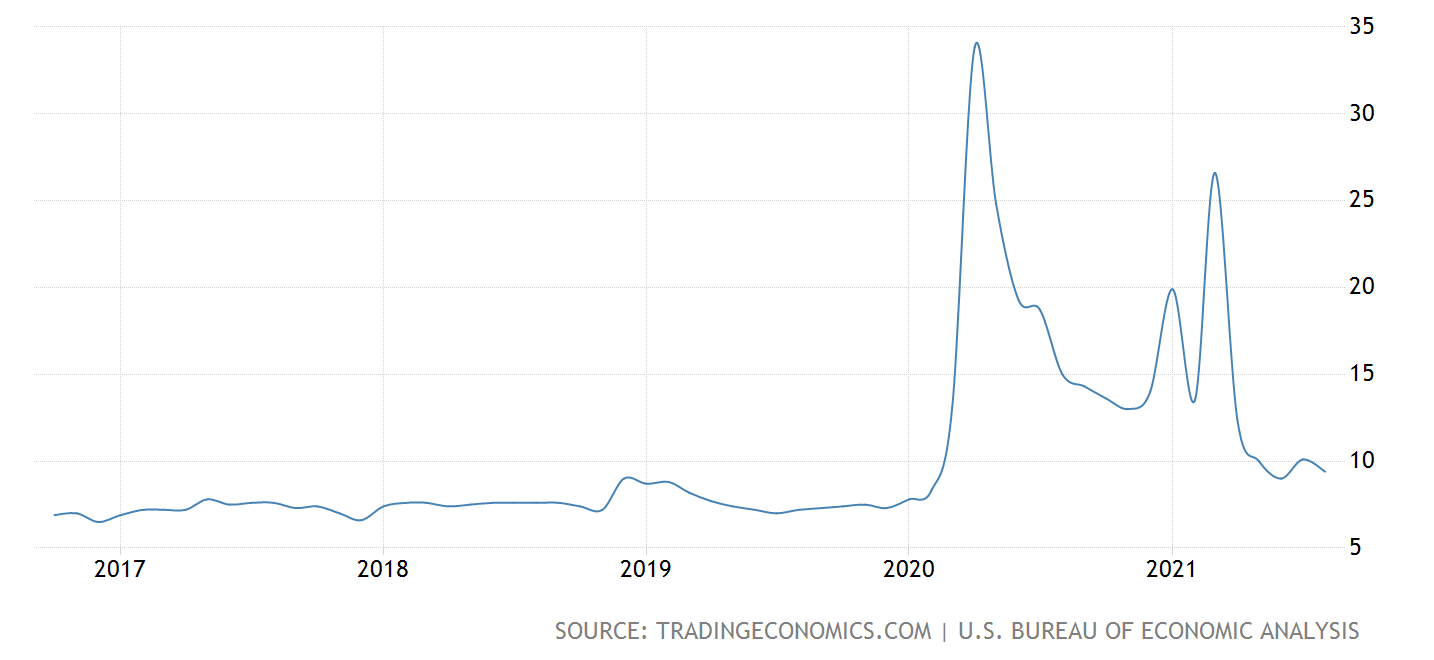
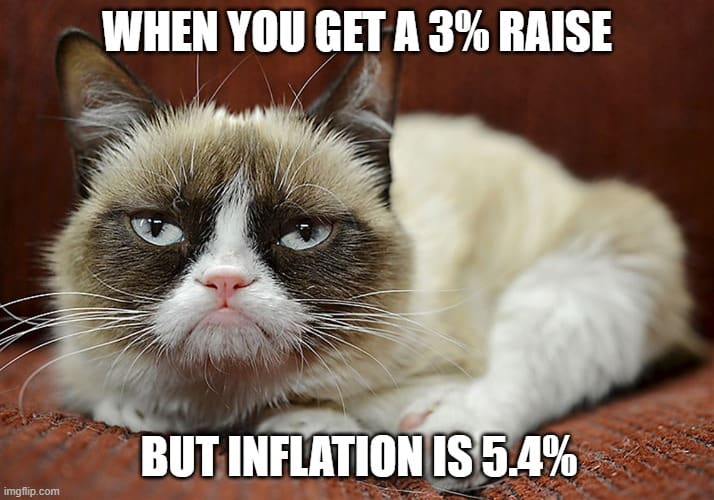
Addressing the concerns If we only considered the facts above, it would seem we're in fairly dire straits and destined for some 1980s hyperinflation all over again. Fortunately though, there's more to the story. Stagflation? Not really. Stagflation occurs when an economy undergoes a contractionary phase or a recession of sorts while inflation is also high, essentially worsening the issue. Various forecasts see the US economy growing about 6% in 2021. Normally, this number is in the 2-3% range, and in 2020, it was -3%. Supply chain issues? Maybe, but our current growth rate is on pace with "reflation" type expectations, and double the average. Hyperinflation? Not quite. Hyperinflation is an out-of-control spiral of prices, with most definitions citing 50%+ month-over-month increases. The latest CPI data saw us at 5.4% higher than a year ago, with a 0.4% increase for the month of September. These are higher than normal figures, but not hyperinflation. It is however worth noting that our CPI data does not include volatile sectors like food and energy, which is where some of the more problematic numbers lie right now, and this is a valid concern to monitor as crude prices jump and an energy crisis brews overseas. Preparing accordingly - Stuff some extra in savings: If prices continue to rise more than expected, the cost of necessities like fuel and groceries will likely be some of the hardest-hit areas. Extra savings in the meantime can help cover the difference if those bills climb higher.
- Shift some portfolio funds to less susceptible industries: Sectors with higher profit margins and more fixed vs. variable costs can be your new best friends. We're talking financials, healthcare, and other essentials that are less reliant on supply chains.
| 






No comments:
Post a Comment