Author Haytham Al Fiqi |
- ~Submitting Your Manuscript Getting Started
- ~Book Review Business Plan Secrets Revealed
- ~Book Review Loyalty Myths Hyped Strategies That Will Put You Out Of Business And Proven Tactics That Really Work
- ~Wooffer Children S Book Review
- ~Book Review Warriors Workers Whiners And Weasels
- ~Dog and Cat
- ~Google Adsense for Newbies>>DOWNLOAD THIS FREE EBOOK
- ~Let’s Make Money Online >>DOWNLOAD THIS FREE EBOOK
| ~Submitting Your Manuscript Getting Started Posted: 24 Apr 2022 06:14 PM PDT
 I'm frequently inquired "Do you are aware of a be keen on my distributer book?" There's no simple method for responding to this inquiry. As per the PMA Newsletter, there are north of 86,000 distributers in presence (http://parapub.com/insights). It would be difficult to know what every one is searching for at some random time. Anyway you in all actuality do know that you won't present your original copy or book proposition to 86,000 distributers. It would be a misuse of your time and cash. To work on your possibilities in the accommodation cycle, you need to get your work done. The following are a couple of tips so your examination will be best: Distributing Houses: Get the Facts Could you at any point present your original copy to more than each spot in turn? Relies upon where you're sending it. Sadly, each distributing house has its own arrangement of rules for surveying a composition that will have numerous entries. You need to figure out what those rules are. You can look at the 2006 Writer's Market, distributed by Writer's Digest. It's a brilliant hotspot for distributer's rules. The site, Literary Marketplace is as well. While exploring these assets you ought to likewise note what sort of material the organization distributes and what sorts of compositions and recommendations they might want to see. One more method for getting more unambiguous data on this theme is to go to your nearby book shop and take a gander at books like yours. Note the distributer as well as the specialist and proofreader who took care of the book (they're normally referenced in the affirmations). In truth, a distributer could turn your original copy down assuming they feel they've "no need to go there again", yet then again in the event that the organization has had accomplishment with the topic they might be scouring the scene to track down business as usual! Searching for an Agent Your examination might let you know that the distributers who appear to be ok for you don't acknowledge spontaneous original copies. That implies you'll require a specialist so you'll need to begin your accommodation interaction with scholarly offices. Assuming that is the situation, the 2006 Guide to Literary Agents is an extraordinary spot to start your inquiry. Author's Digest distributes this powerful book posting more than 600 non-expense charging specialists. Every one of the specialists recorded in the aide stick to the moral aides laid out by the Association of Author's Representatives (AAR). Individuals from AAR are illegal from charging expenses. So in one book you get the security of realizing the specialist you're managing is fair and square, in addition to you get a full comprehension of what material the specialist addresses. That implies you will not be sending your composition out on an unproductive and expensive mission. Original copy Mechanics Try not to get too up to speed in the points of interest of what your original copy ought to resemble. Your exploration will let you know if the specialist or distributer needs your original copy a specific way, however generally as long as it's twofold separated and printed with an unmistakable, simple to-peruse 12-point text style, for example, Courier or Arial you ought to be fine. Put your name, book title and page numbers on each page and-this is key-staple nothing. Leaving the pages free make it simple for the beneficiary to make duplicates. This is vital on the grounds that generally more than one individual will peruse your work. One note: These days an ever increasing number of organizations and distributing houses are tolerating electronic entries. See whether this is the situation for your objectives. You can set aside yourself a cash and an excursion to the mailing station! The Entrepreneurial Mindset Exile all dread. I know that is actually quite difficult, yet check out at it along these lines. If composing is something you truly need to do, then original copy entries will turn into a customary piece of your life. You would rather not go during your time and evenings in a steady condition of accommodation anxiety! It causes me to feel tired just to consider what that sounds like! Rather put yourself in the attitude of being an author and a finance manager. Your composing is your item. You will put out the most ideal item. Realize that the main part of your dismissals will not have anything to do with the nature of your item so don't think about it literally. You continue on toward the following possibility with the very uplifting perspective that the following one might be the right one. Realize that composing is important for your work. Being worried isn't |
| ~Book Review Business Plan Secrets Revealed Posted: 24 Apr 2022 06:01 PM PDT  The way to effectively beginning any business is a decent marketable strategy. In his digital book, "Field-tested strategy Secrets Revealed," Mike Elia strolls you through the marketable strategy process bit by bit: from social occasion the proof you'll use to fabricate your arrangement to conveying your arrangement to qualified financial backers. His book gives the fundamental data you really want to compose a marketable strategy. In any case, its genuine center is uncovering how to convey your arrangement to financial backers and persuade them that your business is their best speculation decision. At the point when I originally started Business Plan Secrets Revealed, my heart sank. I had guaranteed Mike I would peruse his book totally prior to composing a survey. Also, Business Plan Secrets Revealed is no customary digital book with one sentence passages, enormous text styles and powerful edges. It's packed brimming with data! Yet, as I read, I was agreeably shocked. Mike's composing style is connecting with and functional, and his clarifications work on troublesome ideas. All through the book, I felt like a companion was sitting with me on the back yard, unassumingly making sense of precisely how to follow through with something. It's the sort of straightforward reasonableness that you can accomplish just when you completely figure out a subject. Mike's reasonable comprehension of business arranging ideas results as a matter of fact crossing over 20 years. Mike assists entrepreneurs with purchasing, sell and money their organizations. He has administered assembling and deals areas in excess of nine nations. He is a CPA, holds a Masters in Business Administration, and has filled in as Chief Financial Officer of two openly held organizations. Strategy Secrets Revealed begins with methods for gathering and arranging the data you'll require. All along, Mike focuses on conquering your greatest single test spanning the financial backer certainty hole. In the section "Show Me the Numbers," Mike gives probably the most clear clarifications of business budget summaries that I've at any point perused If ideas like investors' value or articulations of income make your gaze goes out into the distance, then your salvation has shown up. Later sections of Business Plan Secrets Revealed truly follow through on Mike's guarantee to assist you with imparting your field-tested strategy successfully. There are finished guidelines on composing your strategy, including how to get your arrangement opened and perused, and how to keep away from nine normal composing botches. He makes sense of how picking the right plan can make your business arrangement simpler to peruse. Mike wraps things up by letting you know how to get ready for basic up close and personal time with financial backers, including fostering a 60-second, direct, verbal pitch for your business. Tips on observing financial backers and an assets segment total the book. I should concede that multiple times as I was perusing, I would ask myself, "Do I truly need this much strategy?" This isn't a fill-in-the-spaces and-print-it-out marketable strategy arrangement. However at that point I understood on the off chance that I'm significant about succeeding, I truly do have to be aware however much as could be expected about my business front and center. Before I've begun burning through cash. Before I put myself at risk out on the lookout. Coincidentally, I endured the entire book. Furthermore, I affirmed that Mike conveys what he guarantees on the cover sheet: he shows you how to rapidly accumulate proof, form a case for your business, and compose a meaningful arrangement that draws in financial backers and makes your business the most engaging venture decision. Regardless of whether you currently own other business arranging assets, I enthusiastically suggest Business Plan Secrets Revealed. |
| Posted: 24 Apr 2022 05:52 PM PDT
 Did you at any point contemplate whether a portion of those deep rooted idioms about advertising are valid? For example, we've all heard "It costs multiple times more to get another client than to hold an ongoing client." But does anybody have any verification of that? That is actually the thing a gathering of creators set off to do in Loyalty Myths: Hyped Strategies That Will Put You Out of Business - and Proven Tactics That Really Work. The creators, Timothy L. Keiningham, Terry G. Varva, Lerzan Aksoy, and Henri Wallard are generally specialists in purchaser unwaveringness and utilize their abundance of information to disperse normal legends and deal knowledge into what truly works. The book picks and intriguing organization - the initial six parts are given to excuse north of fifty normal 'devotion legends' and the last two sections are accustomed to finding out about why clients are steadfast and the way that a dedication program ought to be made due. Every one of the 'dedication legends' sections contains a few 'fantasies' gathered by normal topics, for example, Loyalty Myths That Subvert Company Goals and Loyalty Myths Regarding Employees. The parts both start and end with a model pulled from industry that incorporates every one of the fantasies referenced in the section, with the genuine legends examined in the center. The creators put in several pages banishing every one of the 53 legends. A portion of the legends are things that we will generally underestimate, for example, "Organizations will more often than not have the foggiest idea about their clients," while others like "share-of-wallet increments as client lifetimes increment" would appear to be instinctively obvious. For every single one, the creators utilize strong verifiable information to disperse the legend and show the negative business impacts of trusting it. The last two parts center around seven 'dedication insights', for example, "Don't oversee for client maintenance before you oversee for client choice" and "Client steadfastness and brand symbolism are nowhere near free; you should oversee them connected at the hip." The creators work really hard of going through how to assemble and gauge a reliability program around these 'insights.' The book is a very quick moving, engaging read. Anybody guessing the book with an open thoughts will concur with the writers' strong thinking. Specifically, entrepreneurs, Ceo's, and anybody in advertising or customer undertakings will straightforwardly benefit by dispensing with these 'fantasies' from their business and carrying out the 'bits of insight.' This book can truly affect your organization's primary concern. Numerous organizations thoughtlessly spend tons of cash on client devotion programs without making the strides illustrated in this book. For certain organizations, a dependability program doesn't appear to be legit. For other people, their program needs a critical update. This book will assist you with distinguishing where your business is and give you the apparatuses to make enhancements. The main disadvantage with the book is the shear number of fantasies. A significant number of the 'fantasies' mix together and perusers would presumably be bound to hold the 'legends' assuming that there were ten instead of 53 (like the seven 'insights'). How much legends likewise doesn't consider the creators to delve into very as much detail as one would like for every 'fantasy.' There are a few legends that aren't such a lot of dispersed in the passage or two gave to it, however inside the setting of the whole part. It simply seems like it would have appeared to be legit to consolidate a significant number of the fantasies. In general, Loyalty Myths: Hyped Strategies That Will Put You Out of Business - and Proven Tactics That Really Work is an enormously engaging and illuminating read. Anybody that has a premium in shopper dedication will become familiar with a lot of straightforwardly relevant data that can set aside their organization cash and assist with separating them from the opposition. |
| ~Wooffer Children S Book Review Posted: 24 Apr 2022 05:45 PM PDT
 Wooffer is an assortment of 33 short creature experience youngsters stories initially composed by Betty Fasig for her loved ones. The middle person is Wooffer, a shaggy dachshund pup that "mother", the creator, gets as an unexpected Xmas gift from her carefree family. A large group of creatures elegance the pages of Wooffer, including Old Agnes the mouse, insightful and defensive Margaret the hen, Marygrey the pregnant hare, a glad and charming peacock named Cho Lee who loves to swagger his stuff and goes gaga for a quail, and dearest companions Ibie the Ibis and Maudie the pony. The narratives are nicely submitted in sequential request, directly down to the season. It even incorporates a Xmas story! This is a book about a little dog that switches the assessments of those up him, wins hearts and turns into a solid, chivalrous companion. Wooffer gains appreciation from every one of the creatures for a significant distance around and turns into somewhat of a legend when he grows up. For the most part warm, tomfoolery and happy, Wooffer additionally handles genuine issues from moving, dejection, acquiring regard, knowing truth from everything that one is said, getting lost, conquering menaces and that's just the beginning. Having put in a couple of years on a homestead in my childhood, I see beginnings of truth in the creature connections and can confirm the abnormal and brilliant bonds that occur between species. The epilog gives a decent conclusion by uncovering how every one of the creatures actually return to a similar region yearly and invest energy with Wooffer and his companions talking about the bygone eras and having new experiences. Embedded infrequently are a few lovable beginner drawings of life and experiences on the ranch that make certain to engage youngsters. The cover is a photo of the motivation for the principle character - the writer's canine - which gives a more reasonable feel to the book than a portrayal or drawing might have done. The book's basic topic is that regardless of how little an individual might think they are, or how little of a thing they might do - they can have an effect on the existences of people around them. Also, this is an uplifting thought. Wooffer is a great book for sleep time stories, yet will be best appreciated while perusing to gatherings of kids. Written so that the peruser can undoubtedly portray the creatures and circumstances with their voice, the book makes certain to give snickers of pleasure to gatherings of youngsters. Thusly, I figure Wooffer would be a great expansion to the shelves of libraries, schools, childcare focuses and so forth. ISBN#: 1-4137-5587-9 Distributer: Publish America |
| ~Book Review Warriors Workers Whiners And Weasels Posted: 24 Apr 2022 05:35 PM PDT  The reason of the book is that basically everybody squeezes into one of four character gatherings - Warrior, Worker, Whiner, or Weasel. O'Leary characterizes each as the accompanying: Fighters, who defy change, see prospects, develop and figure out how to win! Laborers, who manage the ups, downs and difficulties of regular corporate life constantly, and who can dependably carry out the shift and course settled by the Warriors. Grumblers, who get past life by whining about all that they do, who purport negativism and disappointment any place they go, and faulting others for their own inadequacies. Weasels, who sneak all over the place and undermine your profession and life-objectives through their own duplicity and instability and who spread these sentiments rapidly all through the association. The book is intended to assist you with perceiving what bunch you fit into, give you the fundamental instruments to get to the gathering you need to be in, and figure out how to manage individuals in each gathering really. The book truly works effectively of driving you to investigate yourself honestly. O'Leary cautions you that you probably won't care for what you find, yet additionally rushes to point support that you are in charge and that you can roll out the improvements in your day to day existence to squeeze into the gathering that you want. Significantly really intriguing (and fun) is imagining individuals you know and setting them into their suitable classifications. We have all experienced a Whiner or Weasel and it assists with realizing what really matters to them and how to actually manage them so they don't adversely affect your life. O'Leary utilizes the relationship to the normal cold - you can't totally dispense with Weasels from your life yet you can play it safe to restrict the recurrence wherein they enter your life and the harm that they do while they're a piece of it. O'Leary utilizes a blends cheerful humor in with a furiously extreme demeanor to consolidate a business book and a self improvement guide in an intriguing design. One section could zero in on a self-investigation, the following may be about private stories from O'Leary's encounters, and the following about administration. The book is above and beyond 200 pages yet peruses at the speed of a book that is around 50% of that. I frequently ended up perusing a few parts in a sitting, which is a demonstration of the authors' capacity to hold perusers interest. Assuming there's a disadvantage (and it's not a lot of one), it's that O'Leary is so fiercely fair that it might rub certain individuals wrong, particularly the people who fall into the Whiner and Weasel gatherings. Heroes, Workers, Whiners, and Weasels: The 4 Personality Types in Business and How to Manage Them to Your Advantage by Tim O'Leary is an absolute necessity read for each business person, entrepreneur, administrator, and specialist wishing to more deeply study themselves, exploit their best qualities, and shield themselves from the individuals who could disrupt their profession. |
| Posted: 24 Apr 2022 06:31 AM PDT  Disabilities in Dog Owners Just because you are dealing with a disability does not mean you can't have a dog in your life. Studies indicate doing so will benefit you and the dog. There are some things you can do to make the experience easier. If you need help giving your dog medicine, fluids, or shots, ask your veterinarian if he or she knows of anyone who will make home visits. If not, contact local pet-sitters to find ones who will assist you. Many pet-sitters are trained to perform these functions for the sick pet for owners who cannot perform them for themselves or for owners when they are away. To play with your dog, use flashlights or laser pointers. Dogs love chasing the light, and you won't have to make a move. An alternative is a remote control car for him to chase. He gets exercise and you do not get over-exhausted. If you have difficulty performing basic functions for yourself, investigate the use of a service or assistance dog. Assistance dogs are trained to help people with physical limitations perform their everyday functions. Assistance dogs are accepted in public places just as guide dogs and hearing dogs are. Divide large bags of food into smaller containers to help with lifting and filling dishes. If you get large dishes, you will spend less time and energy filling them. There are dog food stands that raise the bowls above floor so you won't have to bend as much when you fill them. Walking a dog when you are disabled can be difficult. Consider hiring a neighborhood teen to do this or have a pet sitter come in and walk your dog each day. Fenced-in yards are another alternative to consider. Having a disability doesn't mean you can't enjoy the companionship of a dog. It takes just a little adjusting for you both to be happy.  A vital part of good prevention is to know the common types of illnesses and disorders associated with particular dog breeds. For dogs, the parts of their body that are most frequently affected by congenital problems are the central nervous system, the eyes, the muscles, and the bones. For instance, the Beagle, Collie, miniature Poodle, German Shepherd, and Keeshond are more likely to inherit epilepsy. Different types of nervous system disorders are often passed on within certain breeds. Examples are paralysis of the front and back legs, which is common in the Irish Setter, a failure of muscle coordination common in Fox Terrier, and abnormal swelling of the brain is common in the Chihuahua, English Bulldog, and Cocker Spaniel. A great number of common breeds suffer from congenital eye abnormalities including glaucoma, cataracts, and blindness. Breeds such as Basenji, Basset Hound, Pekingese, Lhasa Apso, and Cairn Terrier have a high risk for inguinal hernias (gut protrudes into the groin). Umbilical hernias (gut protrudes through the navel) are inherited defects in breeds like Bull Terrier, Cocker Spaniel, Pekingese, Basenji, Collie, Weimaraner, Airedale Terrier, and Pointer. In order to keep health problems in your dog from getting serious, you need to detect them early. Therefore, it is necessary to give your dog a basic check-up about once a week. This check-up takes no more than a few minutes, and it can help prevent problems as well as expenses down the road. Start with a body rub. This makes your pet comfortable. While giving him his rub, check for any signs of flaking or scabs which can be a sign of parasites, a skin disorder, or allergies. Also check for any lumps and bumps. Although they are a normal part of aging in dogs, they can also be a symptom that there is something wrong. Check for any swelling that could indicate parasites, heart trouble, or cancer. His breathing should be smooth and quiet, unless he is panting. If his breathing is raspy or rattling, he could have a respiratory problem. Your dog's heartbeat should be regular and strong. To check for his pulse, place your hand against his chest by his left elbow. Count the number of beats in 15 seconds and multiply it by four. The rate should range between 60 and 160. Lastly, examine his ears, eyes, and mouth and check for any signs of abnormalities  Does Your Cat Have an Allergy? When a cat is allergic to something, common indications will be itchy skin, coughing and/or sneezing, or vomiting or diarrhea in the case of a digestive allergy. Allergies to fleas, foods, things inhaled, or something they have come in contact with are the most likely allergies in cats. Contact allergies generally result in a fairly localized reaction on the skin. The cat may scratch a lot or there may be an indication of irritation at the place of contact. Most common causes of contact allergies in cats would obviously be items with which they come in close contact such as flea collars, bedding, toys, etc. The simplest cure is to remove the contact. Flea allergies are very common in cats. A normal cat may simply bite or scratch for a while and then go on to other things, but a cat with a flea allergy may scratch, chew, and worry at the spot until large amounts of fur are lost. Inhalant types of allergies are probably the most common in cats. Your cat can be allergic to the exact same allergens that you are. Tree pollens, grass pollens, and weed pollens along with the rest of the items we humans fear; mold, mildew, dust mites, and dust itself can all trigger allergic reactions in cats. As in humans, true food allergies in cats can be extremely difficult to pinpoint. One reason is that they commonly demonstrate many of the symptoms of distress seen in the other groups. True food allergies in cats can cause itching and/or respiratory problems. Most food allergies will center around the type of protein common in the cat's diet, such as beef, pork, poultry, or lamb. Simply eliminating that type of protein by changing to another type of food will usually take care of the problem.  As a dog owner, you may find yourself needing to give your dog first aid. Dogs are curious creatures and sometimes get into dangerous situations. When they get into trouble, it will be your job to help. Many of the problems a dog faces are similar to those of our own. Until you can get your dog to a vet, he will depend on you. Having the supplies you need on hand will really help you to be effective. Rolls of gauze and tape are handy to slow or stop bleeding and are necessary in your doggie first aid kit. You can also find some great blood-clotting topical products too. Hydrogen peroxide is important for cleaning wounds. An old clean blanket is essential for wrapping a dog in shock. A first aid kit should also include an antihistamine for bee or wasp stings, an antibiotic gel and an eye wash. Also, absorbent cotton, gauze rolls or pads, scissors (preferably with rounded tips), tweezers, a rectal thermometer; syringes (without the needle) for giving oral medications, elastic bandages. Take time to learn the basics of first aid. Keep your vet's phone number handy in case you need him. If you think your dog may need professional care in the middle of the night or on a weekend, consider calling your vet and advising him. He may have some good advice or instructions to help you reach him. Many cities now have pet emergency centers. It is advisable to keep their number in your first aid kit as well. Keep in mind that an injured dog is scared and may bite. If you feel this is possible, a muzzle is another addition to your kit. Avoid giving your dog Tylenol. Ask your vet before it is necessary what kind of pain medication is okay and keep some of that with the rest. Doggie Sit-Ups Dog is essentially a servant. His feelings toward his master are comradely and his manner familiar; he enjoys the master's affection and regard. He will go to any length to please and protect his people. He can be taught any manner of service tasks and will go about them with enthusiasm. His aim is to please. The cat is different. She serves no one, knowingly or willingly. Her one accomplishment -- the hunting of mice, rats and other rodents -- is self-taught. The man does not live who can claim to have trained a cat to perform a task for human benefit. There are no police cats, no watch cats, no sled cats. The cat does not even come when she's called, unless it suits her. Dogsare dependent upon humans. They seek humans for companionship, play and care. They enjoy the role of being part of the "pack" and will go to great lengths to keep that position. Cats are also quite self-sufficient. You never have to entertain them. This is not to say that they cannot be entertained or that they themselves are not entertaining. It is just that their errands are many and their schedules full. Cats prefer going it alone, depending upon their own wit to survive. Whether you choose to share your home with a dog or a cat depends a great deal upon your own personality. If you seek to be in charge, you will come to blows with cat every time. She cannot be controlled. If companionship and undying loyalty are what you seek, a dog will fill the position willingly. There are homes and people for both dog and cat—examine what you expect carefully and choose accordingly. Your home will be blessed with the presence of either. Dogs and Cats Under the Same Roof Dogs are often territorial and will fight not just new cats but other new dogs as well. They tend to mark their territory and will fight anyone who invades their space. Cats have the same tendencies and even if they are smaller than to dogs, they will scratch and fight for their territory. The first step is obedience. This is necessary especially for the dog, which is usually the aggressor in this kind of situation. You have to train your dog to obey when you say "no". Allow your cat to wander around the house. Cats love to roam and this will make her scent scattered in your home. After doing this, lock your cat in one room and let your dog wander around the house sniffing for the cat's scent. This will make your dog acquainted to your cats smell and train the dog that the cat is part of the household. Dogs usually start barking whenever they see some other animals in their territory, hoping to scare them away. They won't really lunge at something immediately. Once he starts barking, this is where the obedience part starts to come in. Say "no" and make him realize that the cat is also a pet. If your dog starts to calm down when in the presence of the cat, then it's the time to let him sniff the cat. Once your dog starts to decide not to bark at your cat you know that you've done the introduction part successfully. The final step is making sure that both pets have the time to coexist. This part is usually the cat's fault. Cats have the tendency to be aloof and stay away from the dog and other people. It's not because they are afraid of the dog but more because it's their nature to be alone.  Some dogs are prone to becoming victims of obsessive-compulsive disorder when under stress. The stress can cause either a sudden or gradual onset of the condition. The behavior pattern that emerges will depend on the particular breed. In general, longhaired large breeds of dogs may over groom, herding breeds may chase or hoard and a pure predatory breed may bite, mouth or chase objects. All these have human comparisons. All the behaviors performed by compulsive canines are essentially normal behaviors. They are just performed over and over again and out of context. The same occurs with humans. There is nothing wrong with washing your hands repeatedly, but if you wash your hands several hundred times a day you have a problem. Psychiatrists treat the human problems on a case-by case basis. Veterinarians remain divided regarding the significance of canine overly expressed behaviors. Some feel it may be our attempt to humanize our pets, yet others are not so sure. Whatever the cause, it is very real in some dogs. Lick granuloma in the canine is equivalent to hand washing in the human. Affected dogs lick their wrists or hocks excessively, over-cleaning or over grooming themselves until the skin in these regions is ulcerated. For years, no one knew why dogs engaged in this pointless, mindless behavior. Now, veterinarians are seeing the OCD link and with this understanding are able to treat the condition much more effectively. Lick granuloma primarily affects larger breeds of dogs such as Labradors, golden retrievers, Great Danes and Dobermans. Individual susceptibility and environmental influences are also required for the full expression of the behavior. Affected animals are usually anxious, sensitive, and high-strung and may give an impression of a generalized anxiety disorder. Environmental factors include various stresses and conflict situations, including separation anxiety or boredom.  Be Unpredictable Making quick and abrupt turns in the opposite direction anytime your dog starts to get ahead of you will teach him to pay attention to where you're going. Praise him lavishly when he returns to your side and even reward with a small treat if your dog is food motivated. The idea is to stop the pulling before it even starts by catching him off guard. Be calm, no need to scold him, he'll figure it out. You may have to turn around forty times in the first session and barely make it half way down the driveway, but don't worry, it will get better the more you practice. Many dogs catch on quickly to this game and start to watch their owner closely to see what they'll do next. A dog that's paying attention to you isn't pulling on the leash. Set The Rules And stick to them! Decide once and for all that you will not allow him to pull and then react anytime he tries to move ahead of you. This means you'll have to be watching him closely during the first couple sessions. Allowing him to pull sometimes but not all the time will only confuse your dog. Look at your next couple walks as training experiences, not exercise. Once your dog gets the hang of it then you can start to plan on moving past the driveway. Practice, Distract, and Practice Some More Teaching good leash walking skills is an ongoing process. You may always need to 'be unpredictable' every once in a while even after your dog understands what you expect. Keep him on his toes and keep practicing. Don't be stingy with the praise, let him know when he's doing the right thing and you'll start to see more of that behavior. Epilepsy in Dogs and Cats Epilepsy in dogs and cats is similar to that in humans. The main symptom is a type of seizure. Seizures can come in many forms and several of these are listed below: Generalized Seizures Generalized seizures are the most common type of seizures in dogs and cats. There are several variations of these seizures: 1. Absence seizures (petit mal): sudden brief loss of consciousness, rare in animals 2. Myoclonic seizures: muscle jerk of one or more muscles 3. Clonic seizures: rhythmic muscle contractions 4. Tonic seizures: increase in muscle tone in all skeletal muscles 5. Tonic Clonic seizures (grand mal): the most common form of seizure in pets Tonic Clonic Seizures Tonic Clonic (grand mal) seizures account for 60% of seizures in cats and 80% of seizures in dogs. They are usually accompanied by a loss of consciousness, and consist of a tonic phase, where the increased muscle tone causes the animal to fall on its side with its limbs extended, and a clonic phase, consisting of intense muscle jerking or paddling movements. In order to diagnose true epilepsy, other causes of seizures must be first ruled out. Once a tentative diagnosis of epilepsy has been made (by excluding all the other known causes of seizures), the animal can be prescribed anticonvulsant drugs. These drugs are not appropriate for animals with seizures caused by a problem outside the brain. The overall goal of anticonvulsant therapy is to eradicate all seizure activity, but this is rarely achieved. A more realistic goal is to reduce the frequency of the seizures to a level that is acceptable for the owner, without having negative side effects for the animal. Since epilepsy is not curable, the owner must be prepared to give the medication for the rest of the animals life. Whether you have a dog or a cat, chances are you will find yourself in need of ridding them of fleas at least once. Below are a few suggestions to help you with the task. Keep an Eye on Your Pet Watch your pet for commons signs and symptoms of a flea infestation such as excessive biting and scratching, particularly around the tail and lower back areas. Check for raw patches of skin where your dog or cat may have been scratching at fleas for some time. Another bit of evidence is "flea debris," specks of dried blood that are black in color. Flea Collars and Powders If you have caught the problem relatively early, it may be possible to eliminate fleas by simply using flea collars and powders. There are several brands and types to choose from, and many contain a special comb with fine teeth that is designed to remove fleas from fur. Flea Baths It's helpful to bathe your pet frequently using a specially formulated soap or treatment. It's necessary to take into consideration the type of fur or coat your pet has when bathing. This is particularly true for dogs as some breeds have essential oils that shouldn't be washed away with soap and water more than once or twice a year. If bathing in a flea bath isn't an option for your pet, consult your vet for other alternatives. Monthly Medication There are pills available for your pet to take on a monthly basis that will prevent fleas from reproducing, but they do not kill the ones that have already reached adulthood. There are also multi-purpose medications and products available that are designed to prevent fleas from reproducing as well as controlling heartworm, hookworms, whipworms and roundworms. Fleas will always exist, but with careful planning and proper treatment, they need not become a problem for you or your pet.  Giving Your Cat Medication  Helping Your Cat Survive Your Move  Dogshave a tendency of trying to eat just about everything they come across. In most cases, this causes some slight discomfort. There are things, however, that can be dangerous enough to cause death to your dog if he eats them. Following is a brief list: 1) Antifreeze: Many people do not realize it, but common antifreeze kills many pets each year. It smells and tastes very sweet to your dog and is very appealing to him. 2) Chocolate: Chocolate contains a substance called the obromine which is toxic to dogs. Baking chocolate and dark chocolate is especially dangerous. 3) Bleach: As you might imagine, household bleach is toxic to dogs. Keep all products containing bleach out of your dog's reach. 4) Tylenol: As little as two regular strength Tylenol tablets can kill a small dog. 5) Watch Batteries: If your dog ingests a watch battery, it can cause a potentially fatal ulceration in the stomach within 12 hours. All other alkaline batteries are toxic to dogs as well. 6) Moth Balls: Moth balls are very dangerous to dogs. They contain an insecticide that causes central nervous system excitement and seizures.. 7) Fabric Softeners and other detergents: All sorts of household detergents are toxic to dogs at one level or another, but fabric softeners fall into the highly toxic category. 8) Mouthwash: Mouthwash can contain boric acid which is highly toxic to dogs. Symptoms of poisoning by mouthwash include vomiting, drooling, seizures, and coma. 9) Peach Pits: With most fruits, the pits and the seeds are toxic to dogs. Signs of poisoning include drooling, vomiting, and lethargy. 10) Household Plants: Many common and popular household plants are highly toxic to dogs. A partial list of toxic plants includes poinsettias, lilies, ferns, devil's ivy, aloe, and ivy. If you think your dog may have eaten any of these substances, or anything else that could poison him, call a vet immediately. It could save his life. Many dogs are put to sleep by owners who can no longer figure out what to do with adog that barks or howls constantly when they are gone, destroys things in their absence and basically makes a nuisance of himself. These people do not understand that the dog is not being disobedient—he is most likely suffering from separation anxiety. Dogsare pack animals. As his family, you are his pack. When you leave him alone, he feels lost and scared. Often loud noises will frighten him. His howling and destructiveness are the only way he has of showing his displeasure. You can help him get through this with patience. Try to find a room where he feels comfortable—one that isn't close to a street or other traffic. If possible, buying a crate made specifically for the size of your dog will help him feel more comfortable. Placing a loved toy and an item of clothing that smells like you inside with him will increase that comfort. Start by leaving him only a few minutes at a time. He needs to be confident that you will return. You can gradually extend the amount of time as he becomes more comfortable. Praise him greatly for every time he waits quietly. If all else fails, talk with your vet and see if he can prescribe some type of anti-anxiety medication to give your dog when you need to be away. Your dog can't help his anxiety. You are his safety and he feels lost without you. Give him time and patience and he will eventually learn to tolerate your absence. There is no reason to have a healthy animal put down because he loves you so much he misses you when you are gone. Work with him. You and he will both benefit from this.  Human Food Could Kill Your Dog Let's face it—dogs are not known for being fussy eaters. Some dogs will eat anything and everything they can get into their mouth. This isn't a big problem with many human foods, but there are a few that could be potentially fatal to your dog.  Is My Cat's Aggression Normal? Play aggression is defined as the stalking, chasing, pouncing, biting, and scratching behaviors, which normally occur when cats engage in play. Problems occur when these behaviors are directed against instead of with people in the household. Another common cause for play aggression towards humans is when owners leave a single young cat alone for most of the day. Play aggression can also be triggered and reinforced by owners who insist on letting a cat "attack" their hands and feet. Owners must learn to recognize the postures exhibited by cats engaging in problematic, as opposed to acceptable, play aggression. The typical play aggression cat will demonstrate predatory type of behaviors. The cat will stalk the owners and pounce on moving body parts such as hands and feet. Growling and hissing usually does not occur, however, the cat's pupils will be widely dilated. Bites and scratches inflicted during a play aggression attack are usually inhibited and not severe. All of the above types of aggression are normal for a cat. There are, however, a couple circumstances when there may be cause to worry. If a cat hisses and growls while attacking, he is not playing. This type of behavior is intended to inflict pain. It is important to find out what may be causing this behavior. Reacting with physical punishment will only make the cat worse. Try talking quietly and calmly to him until he has settled. Medical causes for aggression should be pursued only if a cat exhibits behavior that is unusual for the particular cat, or behavior accompanied by abnormal clinical signs. If a cat that previously loved to be petted suddenly starts biting when stroked, you should look for a possible source of pain. Knowing what is and is not normal for a cat will help you avoid problems in the long run. Keeping Your Dog From Jumping Getting down on his level will let him know you see him.  Car rides are the favorite of many dogs. There are some precautions you can take to make sure this activity will be enjoyable for both of you for years to come. If you have any type of car with a trunk open to the inside of the car or with some other vehicles, you can have your dog ride in the back separated from you by a gate or a net. If you have a regular car, there are special dog seat belts and other types of restraints available. You don't want your dog flying forward if you must stop quickly. You also don't want him trying to climb into the front and distracting you. Dog owners who drive a pickup truck should not let dogs ride free in the pickup bed. This can create a dangerous situation for the dog and other drivers if your dog falls out or decides to jump out. Dogs that ride without restraints in the pickup bed may go flying if you stop short and suddenly. Tying the dog in the bed is not a good idea either as the dog may still jump or fall out and wind up being choked or dragged along the road The best and safest solution is to have your dog ride in the cab of the truck with you. . Never leave your dog in the car with the windows completely up—especially in summer. The interior of a car can heat up quickly, reaching temperatures in excess of 120 degrees in a very short time. This could cause heat exhaustion and even death in your dog. If you are going to have to leave the vehicle and can't take your dog with you, it is best to leave him at home for this trip. It is better to have him disappointed today than not around tomorrow.   Leash Training Your Cat First, allow your cat to play with the new items so she gets used to them. Try putting the harness on her and see how she reacts. This step is very important, if you force the cat to wear the harness, they are not going to be happy at all with the harness or with you. Take your time with all the steps. If your cat balks at any step, go back to the previous one. It is a lot harder getting a cat to cooperate than it is for a dog. After the cat is wearing the harness loose, then it is the time to tighten the harness up until it is the right fit for the cat. At this point, you will want to give the cat time to wear the harness. Next attach the leash. Then you will want to start walking the cat inside, until the cat is doing well. Once the cat is comfortable with the leash then it is time to go outside for a walk. When walking with the cat make sure there is not too much loose leash or they will be running in all random directions. There are many distractions for a cat outdoors - birds, squirrels and the neighbor's pets might cause your cat to want to run around, but you must keep a tight leash so that your cat walks with you and is not dragging you all over the place. You will soon be enjoying your outings. We are familiar with such dog breeds as the poodle and Labrador retriever. There are other breeds less known, especially in this country. Below, I have given a short description of several of these less-known dog breeds. Affenpinscher -- This is the smallest dog in the breed which also presented us the schnauzers. The affenpinscher is thought to be the most suitable for a family pet as it is very intelligent, easy to train of a good demeanor. They have a dark fur and have always shown affection to human beings. Anatolian Shepherd -- This dog breed is of a medium size and has proved to be very courageous. This breed is very powerful and loyal and it is used for military and hunting purposes. The basenji --These are medium sized muscular dogs and are also named the African Barkless Dogs. These dogs are able to bark, they just choose not to. Their biggest skill is hunting. The Bouvier des Flandres -- This dog is similar to the terrier one . Their fur is generally dark and they have proven to be very calm. At the beginning they were bred as herders in France but nowadays they are used for police and military purposes, as well as guidance for blind persons. Asian Ovtcharka --The Central Asian Ovtcharka are large and muscular dogs. They appear to be very loyal and fearless dogs with strong protective instincts which makes them perfect as watchdogs. The Polish Owczarek Nizinny -- This dogis of medium size and has long fur which covers its eyes. These are devilish dogs that are known for creating chaos when left alone. The next time you are looking to add a new dog to your household, why not take a look at one of these? Making Homemade Pet Food We want our pets to have the best possible care—and this includes feeding them appropriately. Below is a brief idea of what food is best for your pet. Animals, because they are color blind, choose their foods by smell. Most dogs like liver, fat, garlic, onions, horsemeat, lamb, beef, cheese and fish. Cats enjoy chicken, liver, fish, turkey, lamb, and yeast, and prefer fresh to aged flavors. Animals do not need salt added to their diet as the natural salt in the food is enough for them. Dogs may eat any vegetable they want, but cats should not have any starchy veggies, like peas and corn. Some dogs and cats even enjoy fruits! It's a good idea to always add a grain, such as Kibble, wheat germ, cooked oatmeal or whole wheat bread to meat dinners. For dogs use 75% carbohydrate foods (grains and vegetables) to 25% meat; for cats use half carbohydrate foods to half meat. One way of making sure your dog or cat gets a healthy diet is to make it yourself. This way you can be assured it is fresh and contains only healthy ingredients. A very good recipe that can be adapted for either a dog or cat is: Combine 1 chicken liver, 1 giblet, 1 chicken heart, 1 chicken neck, 2 cups water and 1 tablespoon finely chopped parsley. Cover and simmer until the giblet is tender. Chop all the meat for dogs removing bones and mix with kibble; for cats, you may want to grind the meat in the blender. Taking the time to prepare your pet's food will not only save you money in the long run, but also provide them with healthy meals that can be adapted to add variety and account for personal tastes. What more could your pet want? Making Nail Clipping Less Stressful While a vet can and will clip your dog's nails for you, many times you will want to save the cost and trip by doing it yourself. Below are a couple of suggestions to make this session less stressful for both you and your dog. To clip your dog's nails you will need some basic equipment that you can pick up at any good pet supply store. Special dog nail clippers have a different shape and are specially designed to make the clipping as fast and painless as possible. There are other items you can buy to make it easier to trim your dog's nails too - various products that encourage the blood clotting process are very useful in case of messy clipping accidents. . When clipping your dogs nails for the first time its important to ask someone who knows how to do it to show you. If your dog has dark nails (as many do) you will want to watch to get an idea of where your dogs "quick" is located. Most veterinarians will clip your dogs nails for you and this is the best way to learn. Don't clip your dogs nails until you are completely sure what you are doing. Not only will your dog pick up on your anxiousness but he will most probably make things difficult for you. Many people find that one of the best ways to ensure a calm and easy nail clipping session is by walking the dog before you start with the clipping. Tire your dog out well and he might not be able to make as much of a fuss as he'd like. Even the simple act of massaging your dogs paws for a few minutes every day to desensitize your dog to being touched there. Parvovirus in Dogs Parvo is a serious viral disease that can be deadly even if treatment is given. Parvovirus is a disease that attacks dividing cells. The most prominent location for dividing cells in your dog's body is the intestinal lining or the lining of the digestive system. When this disease attacks and kills these cells it causes dogs and puppies to not be able to absorb nutrients or liquids. Parvo is seen more in puppies than in adult dogs, but both can catch the disease. Symptoms of parvo include diarrhea, vomiting and lethargy. Most dogs stop eating or have a loss of appetite, diarrhea, high fever, and depression. Their stool can be very liquid, foul smelling, usually yellow in color, and contain blood. The secondary symptoms appear as severe gastrointestinal distress, which includes vomiting and bloody diarrhea. In the later stages of parvo dehydration, shock, and death. Transmission of parvo from one dog to another occurs through their feces. Parvo can be carried in an adult dog that shows no outward signs, but the disease can be found in their stool. The disease is not an air born type, but can be transmitted through the sole of your shoe and even birds may carry this deadly disease into your yard if they have been in contact with the infected feces. All dogs and puppies are susceptible to parvo but there are a few breeds that seem to be more susceptible than others. These include Rottweilers, Doberman Pinschers, and other black and tan breeds. These breeds usually are more prone to contracting this disease and not recovering. Without treatment your dog only has a 20% survival rate and with treatment an 80% survival rate. So, of course, the best medicine is to prevent the exposure and to vaccinate your dog against this deadly disease Pet Socialization Socializing your pet to accept new dogs into the household is not always an easy task. The dog usually has its own ideas of its territory and home and is generally not a generous creature when it come to sharing but would much rather chase the intruders away. We have to reprogram the dogs thinking to make it understand that chasing the cat or iguana or whatever other pet you may have, is not acceptable. To start, make certain that the new animal will be safe. Place the new pet in a pet carrier or some other sturdy structure that prohibits the dog from actually physically contacting the animal but still allows for both dogs to see, smell and hear each other. This provides a way for both dogs to acclimate to each other in a safe, though possibly a bit stressful, situation. In later steps, gloves might be advisable to avoid scratches from a nervous pet. After the dogs have both calmed a bit give them each a small reward, such as a morsel of some favorite food. Be sure to give the dog lots of verbal praise and affection when it is not barking or trying to get to the new animal as this will show the dog that you are accepting of the new pet's presence and you expect him to be also. One last point to keep in mind is that just like humans, not everyone is going to get along. There will be days where the dog and the cat are going to feud or the iguana will get cantankerous and slap the dog with his tail for the fun of it. Some dogs were just never meant to live in harmony but with a lot of patience and a little direction you can make your household fairly peaceable most of the time. The signs of heatstroke are many, but varied and very easily discerned. Such signs include: increased panting or breathing (this sort of fast panting/breathing sounds more desperate than normal panting/breathing), heightened pulse rate, and bright red gums. Dogs also tend to look hot or as if they're wilting, just like humans do. If left untreated, heat stroke leads to shock or unconsciousness. The dog will need to be moved into a cool area with good ventilation, as well as being soaked in cold water or gently sprayed with cold water from a hose if a tub of ice water isn't immediately available. Be careful however, as once the dog's temperature drops back down to a healthy 103 degrees Fahrenheit (39 degrees Celsius), leaving the dog in cold water any longer (the cooling process is very fast) risks causing hypothermia, so keep a close eye on your pet as he cools down after heat stroke. Be especially protective of older and younger dogs, both of which suffer heatstroke more easily. Once your pet has stabilized and the situation seems to be over, you should still bring your dog to the veterinarian. Heatstroke has hidden effects, such as dehydration and brain damage, which may only show after the immediate danger of death is over. All in all, heat stroke is easy to prevent. Keep plenty of water for him to drink and a shady spot to get out of the sun. Avoid excessive exercising on hot days. Simple steps, yet worth the effort to keep your dog healthy in the heat. Preventing Arthritis in Dogs Some dogs are more prone to arthritis than others. Arthritis and bone disease usually take one of several types. These include hip dysplasia, dislocation of the kneecap, arthritis of the elbow, swelling and pain in the leg bones, and degeneration of the shoulder joint. Hip dysplasia is a malformation of the hip sockets that allow excessive movement in the joint. This condition causes chronic inflammation and calcium deposits. Dislocation of the kneecap is a malformation of the leg bones that causes the kneecap to continually pull out of its place and slip back and forth, creating a low-grade inflammation. Arthritis of the elbow is a hereditary condition caused by improper bone formation. Swelling and pain in the leg bones is caused by insufficient production of vitamin C, which results in poor nutrition and heredity. Degeneration of the shoulder joint is the breakdown of cartilage in the shoulder causing inflammation and pain when moving. These conditions are mostly hereditary and could be prevented if the female dog were fed properly throughout her pregnancy. The period of growth inside the uterus is most vital in terms of the formation of structure and essential tissues. Proper nutrition is a must during this stage. Unfortunately, many people don't consider the effects of poor nutrition on the unborn babies. Giving your dog vitamin C on a regular basis also decreases or prevents some of these conditions from developing. Supply your dog with 250 to 2,000 milligrams of vitamin C per day, depending on the age and size of your dog. For example, a small Chihuahua puppy should get a dose of 250 milligrams per day and a large Doberman would get a dose of 500 milligrams per day. It is best to consult a vet who is informed in the use of vitamins. He will be able to help you find the correct dosage.  Most cats are covered with a thick, protective fur. This makes it extremely difficult to tell if a cat has a skin problem before it becomes extreme. It is important to take time on a regular basis to examine your cat's skin closely for anything that may be wrong. Run your hand gently over his body and explore the skin for any unusual patches. If you find any, part the fur by brushing it slightly, so that you can see beneath the fur and have a better look at the skin. If you do this often enough and understand your cat's body, you should be able to spot any irregularity easily. You will learn to know what looks normal and what doesn't. Cheyletiellosis is a skin disorder in cats icaused by skin mites and is particularly contagious between cats as well as humans. In cats, the symptoms are itching and it usually results in heavy scaling and flaking of the skin, which is why Cheyletiellosis in cats is often known as "walking dandruff". This skin condition is usually not deadly and can be easily treated with the right medication once the condition has been diagnosed and confirm. Alopecia is a skin disorder in cats that will cause hair loss due to endocrine disturbances, localized infections, or generalized illnesses. The condition can also be a result of stress. The symptoms included bald patches on the skin and can be accompanied by reddened or inflamed skin. Not a deadly skin disease, and with proper treatment, the fur would most likely grow back. While most skin conditions are cause by allergies to food and pesticides bite, and can be easily managed and treated, early detection is still important. A few minutes each day could very well prevent days of discomfort later. Skin Irritation in Dogs Dogs can suffer from skin problems the same as humans. How you treat the particular problem will depend on what is causing it. Below I will cover the most common skin irritations in dogs. One of the most common problems in dogs is the presence of fleas and ticks, which are parasites that live on the surface of the skin and feed on the dog's blood. These parasites' saliva causes skin irritation and results in intense scratching. There are preventive products available for use on a monthly basis that will prevent this type of infestation. Mange is a skin problem caused by mites that burrow underneath the dog's skin, causing intense and even agonizing itching. Bald spots or inflamed red skin are common symptoms of mange. Two types of mange exist in dogs: sarcoptic mange and demodectic mange, depending on the kind of mite involved. Mange or scabies causes intense itching in the dog as the mites burrow under the skin and even lay their eggs there. Scabies can infect humans as well and cause itchiness, although infection in humans usually disappears by itself after a while. However, it is still important for people to seek treatment if they get infected. The best way to kill the mites is to soak your dog in a lime and sulfur medicated dip for 10 to 15 minutes a few times in a week. The dip should not be washed off, but left to dry on your dog's skin and fur. During this time, it's best to watch your dog closely and prevent him from licking himself dry. It is best to check with your vet if your dog is itching and you can't find any parasites. It is possible he is experiencing an allergy or simply his coat is too dry. The vet will be able to help diagnose his exact problem.  Stopping Your Cat From Spraying The primary reason a cat sprays is because felines are very territorial animals and like to mark their turf by spraying urine to let other cats know who owns that little piece of the world. If you notice things being marked near windows or screen doors where your cat can see outside it's a pretty good chance there is a cat hanging around your house or passing by frequently. Many times a cat will spray because of psychological problems such as anxiety, stress or a feeling of being threatened by something or someone. If personal items are being sprayed it is usually a sign that your cat has some issues with the person. The addition of a new cat or even having too many cats for the size of your house can cause spraying problems. If the cat is put into a stressful situation like someone new moving in (a new baby) or being introduced into a new living environment they might feel the need to spray. By taking time to examine the events going on in your cat's life, you may be able to eliminate this behavior. There are products sold at pet stores that contain odors only your cat can smell. These are designed to comfort your cat. Another thing that often eliminates spraying behavior is to have your cat neutered. In most cases, this is the most effective method as it alleviates the territorial instinct in your cat. This is yet one more argument for neutering.  The Case Against Declawing Your Cat Declawing a cat is a major surgical procedure, performed under general anesthesia. It is actually amputation of the last joint on each toe, not a simple removal of the claw itself as many are led to believe. Cats walk on their toes, unlike most mammals who walk on the soles of their feet. Their musculature, joints, tendons and ligaments are all designed to distribute their body weight to their toes. The claw is not a nail like human fingernails or toenails. It is actually a part of the last bone in a cat's toe. If you were to "declaw" a human in the same way a cat is declawed, you would be amputating all 10 fingers at the last joint! There is a real possibility of complications after any major surgery, and declawing is no exception. There is the possibility of hemorrhage, infection, extreme pain and bone chips. There is also the possibility of nerve damage. The cat can become withdrawn, distant, fearful and/or aggressive, and often start biting, as this is the only means of defense left to them. Occasionally the cat will stop using the litter box because immediately after surgery it was painful to scratch in the litter box, and now they associate that pain with the litter box Some countries have made declawing cats illegal. They have considered it an abusive practice. Getting a good scratching post for your cat and teaching him to use it will help save furniture. Your cat needs his claws for defense and hunting if he ever gets lost. Look for alternative methods to save things from your cat's claws—just save your cat's claws. He will be happier and healthier from the choice and you will be happier knowing your feline friend has what he needs to survive. Top Dog Diseases Following is a list of the top diseases experienced in dogs. Many are easily prevented with immunizations. Those that don't have preventive shots can often be avoided with proper care. Make sure your dog is up-to-date on all shots and make it a point to know the causes of these disorders in order to give him the best possible care. Distemper: Distemper is fatal in 80% of puppies and 50% of adults. All dogs are extremely vulnerable, and should be vaccinated, with subsequent boosters in keeping the recommendation of a Veterinarian. Parvovirus (Parvo): Parvo is extremely contagious, especially among puppies, and can lead to death within 48 to 72 hours after exposure. Symptoms include depression, loss of appetite, vomiting and severe diarrhea Rabies: Rabies is a virus and becomes fatal when symptoms appear. Because rabies can be fatal to humans and other mammals, state and local laws uniformly require rabies vaccination, many mandating booster shots yearly. Kennel Cough:
Traveling With Your Pet
Stop frequently for exercise breaks. A well-exercised animal will sleep and not be all over the place in a vehicle. Most highway rest stops have places to walk your dog or cat. Follow the guidelines and make sure to clean up after your pet. Common courtesy will insure the facilities will welcome pets in the future.  Understanding Your CatCats are very good at communicating. Taking time to understand exactly what your cat is saying will make your relationship stronger. A bristling tail held straight up, or one that thrashes back and forth are warnings. If a cat is feeling defensive, the tail is usually arched. Hissing and backing away with ears flat against the head are other defensive poses. You can tell a lot about a cat's state of being from its eyes. Wide, dilated eyes communicate anger or fear. A contented cat slowly blinks its eyes, or keeps them half-closed. When it comes to sound, cats say more than meow. Did You know there are at least nineteen different types of "meow"? Their vocalizations fall into three groups, murmurs, open/closed mouth and intensity sounds. Murmured sounds include the low sound cats make when treats are coming, as well as the famous purr. Purring is usually interpreted as a sound of contentment, but it is really more a vocalization of intense emotion. In fact, an injured cat, or one being handled by a stranger - like a vet - often purr. Open/closed mouth vocalizations include all the variations and intonations of "meow" that a cat uses to greet you, or ask for food, or otherwise demand attention. Intensity vocalizations are created when the cat holds her mouth open the entire time she is making sound. These are the highly emotional vocalization of fear, anger, and extreme pain. Some cats are more talkative than others. Many owners notice a difference in the types of noises their cats make for them as opposed to strangers or other cats. The more time you spend with your cat, the more she'll communicate with you and the better you will understand what she is saying. It is well worth the time to learn What is Distemper? Anyone with a dog has heard the term distemper, but do you know what it is? The following article will give you a brief overview. Canine distemper is a highly contagious disease caused by a virus attacking the respiratory, gastrointestinal, and nervous systems of dogs. Although dogs are the most commonly affected, Canine Distemper is also seen in foxes, ferrets, mink and many other carnivores. These infected animals are often the cause of the spread of this disease to domesticated dogs. Upon contracting the virus, dogs often appear "normal" for several days. The initial symptoms of the disease are runny nose, water eyes and a sore throat. The dog's temperature will increase to approximately 103.5°F (39.7°C). Over the next couple of days the symptoms worsen with the tonsils becoming enlarged, and the dog develops diarrhea. After approximately four weeks the virus begins to affect the brain. The dog will start twitching, which will gradually turn in to larger convulsions. The convulsions normally become so frequent and violent, that euthanasia is often carried out at this stage.
The best thing to do is to have your dog immunized against this disorder. This will make it unnecessary to put yourself and your dog through the hardship and heartache associated with Canine distemper. 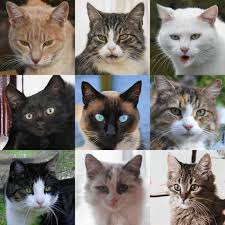 What to Do With a Finicky CatThere are many reasons your cat may not be eating. If she isn't sick, you must do a little investigating to find the cause. Some cats don't like changing food. If you decide to change your brand of cat food, do so gradually over several days. Mix a little more of the new food into the old food each day until you have completely changed over.
When You Don't Want to Medicate Your Dog
Sometimes you want to avoid medicating your dog if possible. There are some easy home remedies you can safely use. If a solution you hear does not sound safe it is better to consult a vet first. The following can all be used safely on your dog. Dry, cracked paws
A word of caution is in order here. Never give your dog anything involving onions or garlic, as these are toxic to a dog. If your dog is experiencing vomiting, diarrhea or seems to be in pain, do not try any home remedies. Call your vet immediately. It is better to be safe than to lose your beloved friend. |
| ~Google Adsense for Newbies>>DOWNLOAD THIS FREE EBOOK Posted: 23 Apr 2022 07:21 AM PDT
 Description: Create a massive auto-pilot income with the Google AdSense program starting now! Inside this eBook, you will discover the topics about how you can get Google to stream ads onto your website for free, how Google AdSense ads are specially selected to match your site's topic, how you earn money every time a visitor to your site clicks on one of the ads, the difference between putting ads where they'll be seen on your site and so much more! ► Contains 89 Pages and 16222 Words. License: Unrestricted Private Label Rights (U-PLR) Source File: Included eCover: Included Sales Page: Included Squeeze Page: Not Included Niche: Internet Marketing File Size: 7.35 MB |
| ~Let’s Make Money Online >>DOWNLOAD THIS FREE EBOOK Posted: 23 Apr 2022 06:52 AM PDT
 Description: An introduction to internet marketing. Inside this eBook, you will discover the topics about what is internet marketing? Affiliate marketing, article marketing, e-mail marketing, blog marketing, pay-per-click (PPC), search engine optimization, pop-up ads, banner ads, social media marketing and mobile marketing. ► Contains 22 Pages and 5066 Words. License: Unrestricted Private Label Rights (U-PLR) Source File: Included eCover: Included Sales Page: Included Squeeze Page: Not Included Niche: Internet Marketing File Size: 2.71 MB |
| You are subscribed to email updates from Author H.A.F . To stop receiving these emails, you may unsubscribe now. | Email delivery powered by Google |
| Google, 1600 Amphitheatre Parkway, Mountain View, CA 94043, United States | |

No comments:
Post a Comment